

Why Is Nantucket Famous? What Draws Visitors Year After Year
06/14/2026
The first glimpse of Nantucket often leaves a lasting impression. Whether arriving by ferry or plane, visitors are greeted by a landscape filled with historic buildings, beautiful shorelines, and a distinctive atmosphere that feels removed from the pace of everyday life.
Why is Nantucket famous? The answer lies in a combination of history, culture, natural beauty, and a community that has carefully preserved the qualities that make the island so special.
What Is Nantucket Island Famous for?
What is Nantucket known for? This question often leads directly back to the early nineteenth century, when this small patch of land operated as the undisputed whaling capital of the world. The wealth generated by global oil expeditions funded the construction of massive Federal and Greek Revival mansions that still line the town center.
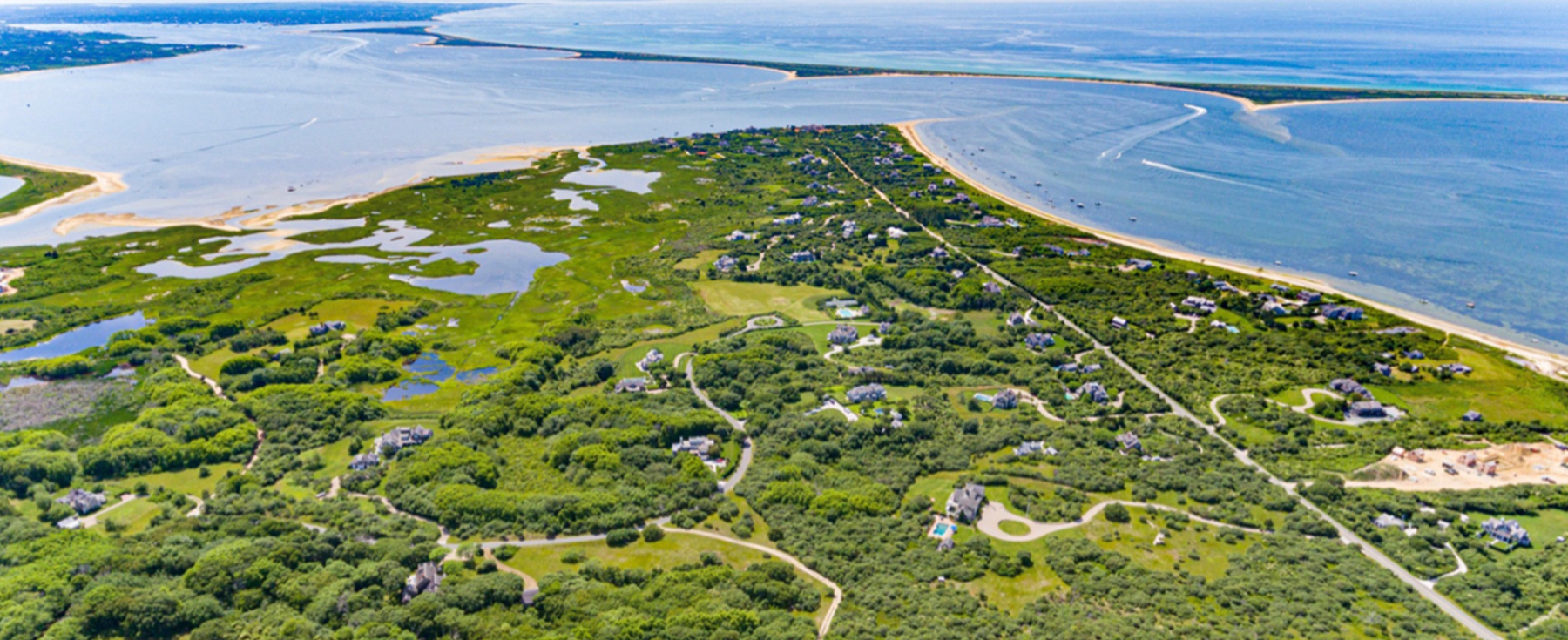
Beyond this rich seafaring history, the area stands out for its complete absence of neon signs, fast-food chains, and traffic lights, offering a refreshing break from modern visual noise. The landscape features more than eighty miles of open public beaches alongside thousands of acres of protected moors, berry bogs, and dramatic coastal bluffs.
Preserving the Global Whaling Capital
The downtown district serves as an active, living museum containing hundreds of structures built before the American Civil War. Strolling up the main avenue allows pedestrians to appreciate original brick foundations, grand entryways, and classic roof cupolas.
These architectural elements tell the story of wealthy shipping merchants who accumulated vast fortunes trading whale oil across the globe. The strict local historic district guidelines require all modern renovations to adhere to traditional designs, maintaining a visual consistency that honors early American craftsmanship.
The Quaint Allure of Siasconset Cottages
On the eastern end of the island, the village of Siasconset offers a distinct architectural experience centered around early fishing settlements. Low-roofed cedar cottages, originally built in the seventeenth century, stand draped in climbing summer roses along narrow, grassy lanes.
The famous Sconset Bluff Walk allows visitors to wander past these historic properties while enjoying elevated views of the open ocean. The atmospheric charm here contrasts beautifully with the grand merchant mansions found in the main town.
Protected Conservation Lands and Wildlife
Preservation efforts extend far beyond the historic buildings to encompass the natural ecosystem of Nantucket Island. Local conservation foundations hold title to more than fifty percent of the land, safeguarding vulnerable habitats from future development. This collective oversight protects vast expanses of coastal heathlands, unique sandplain grasslands, and freshwater marshes that support rare bird species.
Diverse Beach Environments for Every Preference
The extensive shoreline offers incredibly diverse environments depending on which side of the island you choose to explore. The northern shore features calm, protected harbors with gentle waters, making them highly popular for relaxed swimming and afternoon picnics.
In contrast, the southern and western shores face the open ocean, producing heavy surf and dramatic waves that attract dedicated surfers and sunset photographers. These undeveloped stretches of sand remain free from commercial boardwalks, allowing beachgoers to experience the raw, untamed beauty of the North Atlantic coast.
Independent Boutiques and Waterfront Galleries
The local economy thrives on a unique retail model that completely rejects corporate chain stores in favor of independent merchants. The historic wharves and downtown avenues house a sophisticated collection of high-end fashion boutiques, jewelers, and fine art galleries. Shoppers can discover exclusive local designs, including the famous brick-red canvas trousers, alongside hand-woven textiles and marine antiques.
World-Class Ocean-to-Table Dining
The culinary scene balances casual seafood shacks with award-winning fine dining institutions housed in historic buildings. Local chefs benefit from immediate access to premium regional ingredients, creating menus centered around fresh Atlantic catches and native produce. The global reputation of the local food scene is elevated by delicacies like sweet, succulent bay scallops harvested directly from the harbor during the colder months.
Seamless Vacation Planning and Island Logistics
Familiarizing yourself with local transportation options before your arrival helps establish a relaxed vacation schedule. Utilizing a specialized Nantucket guide allows you to plan your itinerary around the best morning beach hours and evening dining reservations. Getting around Nantucket efficiently typically involves renting a bicycle to utilize the extensive network of paved sidepaths or riding the convenient seasonal public shuttle buses.
Finding the right neighborhood to anchor your stay is an important part of the planning process. Great Point Properties assists visitors in navigating the local real estate market to secure the perfect home base for a seasonal getaway. Our independent real estate agents specialize in luxury weekly and monthly vacation rentals across our dedicated Town and Sconset offices.
Experiencing a World-Class Coastal Tradition
The combination of strict historical preservation, pristine natural sanctuaries, and sophisticated local hospitality explains why this destination captures the hearts of travelers generation after generation. Leaving behind the hectic pace of the mainland for quiet cobblestone lanes and rose-covered cottages allows visitors to experience true coastal tranquility. Securing an exclusive rental property provides a seamless way to participate in these time-honored island traditions.
Contact our professional real estate brokers today to view available listings and begin planning your next summer retreat.
Frequently Asked Questions
What is the best time of year to visit the island to avoid major crowds?
The shoulder seasons of late spring and early autumn offer exceptional weather with significantly fewer tourists than the peak summer months. Visiting during September or October allows travelers to enjoy warm ocean waters, open restaurants, and peaceful beaches without the mid-summer congestion.
How do visitors typically travel to the island from the mainland?
Most travelers arrive via passenger ferries operating out of Hyannis, Massachusetts, which offer both high-speed one-hour trips and traditional two-hour vehicle ferries. The island is also accessible by air, with seasonal and year-round flights landing at the local memorial airport from major northeast transportation hubs.
Are all the beaches on the island open to the general public?
Yes, all eighty-two miles of shoreline are completely open to the public, providing unmatched access compared to many other coastal resort destinations. Certain remote beaches require special four-wheel-drive permits for vehicle access, but pedestrian entry is free and open across the island.