Winter Wildlife on Nantucket
02/17/2026
Although the streets of Nantucket seem quiet in the off-season, there is a surprising amount of winter wildlife that still remains active throughout the island during this time. While this activity may not be as apparent as it is in the warmer months, the resilient wild residents that remain on-island have adapted to the cold, finding food and shelter in even the harshest and windiest winter months. Here’s a look at some of the animals that call Nantucket home in the wintertime.
Snowy Owl
Each year as temperatures drop in the Arctic tundra, some snowy owls migrate south in search of food, often ending up in coastal New England areas such as Nantucket. These owls begin arriving to the island in late fall, and will leave by the time spring rolls around. If you’re trying to catch a glimpse of a snowy owl, it’s best to look in wide open landscapes with low vegetation, dunes, beaches, and grasslands. On Nantucket, common locations include Coskata-Coatue Wildlife Refuge (especially the north end of the island), Great Point, and Smith’s Point in Madaket.
Gray Seal
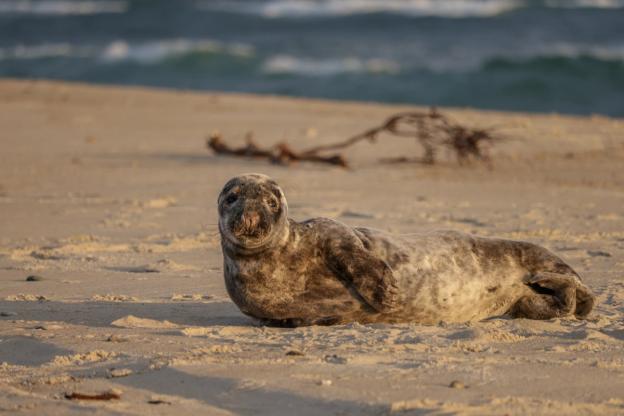
Gray seals are year-round residents on Nantucket, but can be seen on land more often in the winter due to their “pupping” season. This is when female gray seals give birth to a single pup, usually sometime between late December and mid-February. Gray seals are often seen resting in groups out on Great Point, making multiple sightings of the animal at once possible. And although they are seen on land more often during this time of year, they do still venture out to the ocean to feed.
Northern Long-Eared Bat
Compared to other species of bats, the Northern Long-Eared Bat is hardier and more tolerant to cold weather, allowing them to survive Nantucket winters. Their activity levels do decline after average temperatures dip below 50°F, but the Nantucket Conservation Foundation has still detected calls from these bats in all months except for February - even nights with temperatures in the 30s. Unlike other mammals with long hibernation periods, bats are able to cycle in and out of hibernation. If day time temperatures are warm and winter insects are flying, the Northern Long-Eared Bat will emerge from hibernation (where their metabolism slows and body temperatures drop) for short flights to get food and water. They will then return to their hibernation state until the next warm opportunity to emerge arises.
White-Tailed Deer
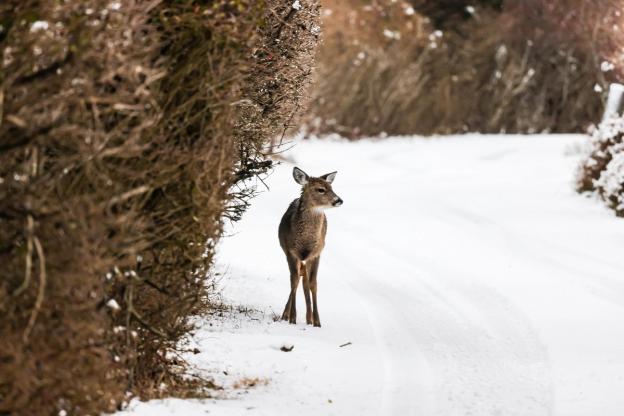
On Nantucket, deer are most often seen either in the early morning or in the evening at dusk - they are not commonly spotted out in broad daylight, and tend to look for sheltered areas when it’s windy, cold, or wet outside. In preparation for winter, deer shed their thin reddish-brown summer coats for a longer, thicker, warmer fur that is also darker (grayish-brown), which allows them to retain more heat, especially on sunnier days. Another way that deer create better insulation for themselves in these cold months are by shifting their diets in order to retain more fat. Oil glands in the skin are also more active in the winter, providing a water-repellent layer for the coat, which is useful in the snow and rain.
Eastern Cottontail Rabbit
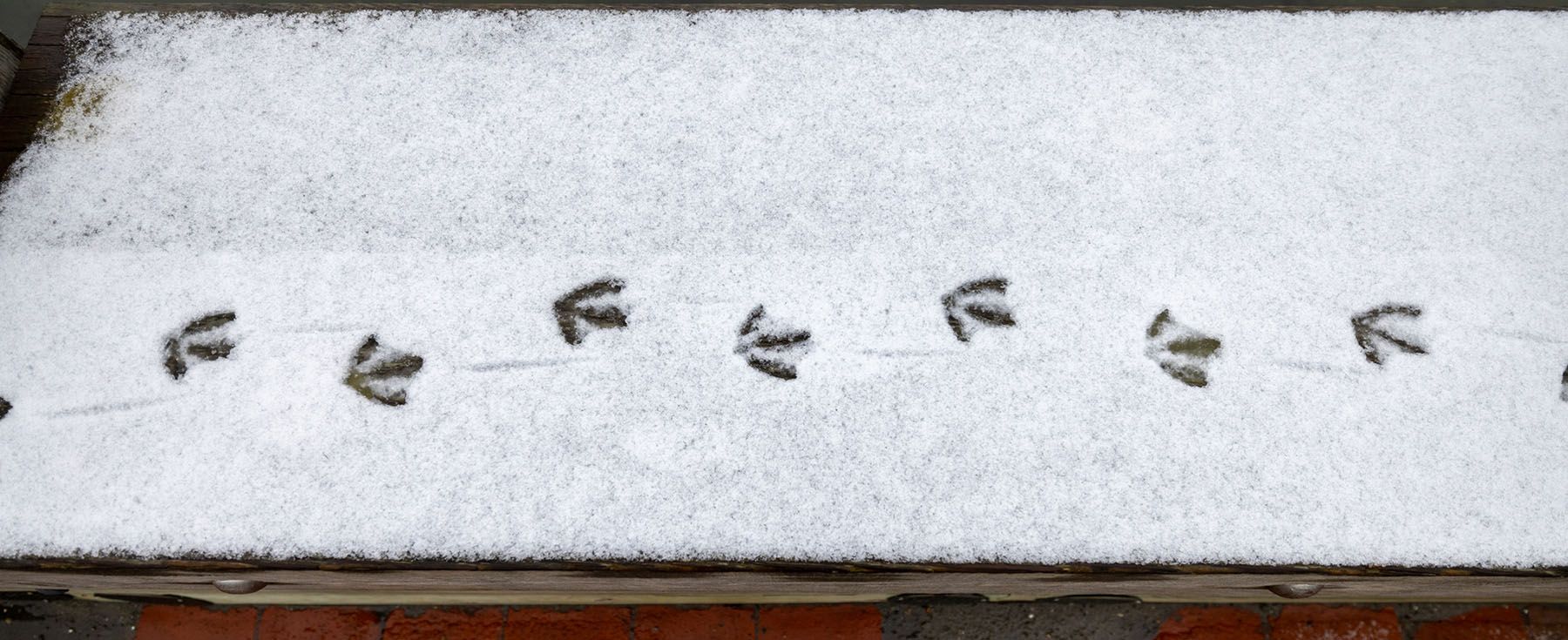
Eastern Cottontail Rabbits are the most common type of rabbit seen on Nantucket, though Snowshoe Hares are also occasionally found here. Rabbits aren’t diggers, so they must find shelter in the burrow of another small animal, or at the base of dense shrubs or under fallen logs or structures. Their summertime diet of green grass and plants switches to a more woody vegetation in the winter - they’ll often eat twigs and bark from shrubs. Rabbits continue to stay active during the winter, and put on a thick fur coat (especially around their feet) to help them survive. Similar to deer here, the rabbit’s coat will switch from a more reddish-brown summer color to a grayer winter color that helps them retain more heat.
Various Birds
Black-Capped Chickadees, Northern Cardinals, and other small song birds survive Nantucket winters by taking cover in dense shrubs, holes in trees, nesting boxes, or human made structures. They also reduce their body temperature by up to 22 degrees throughout the day, which helps them conserve their energy.
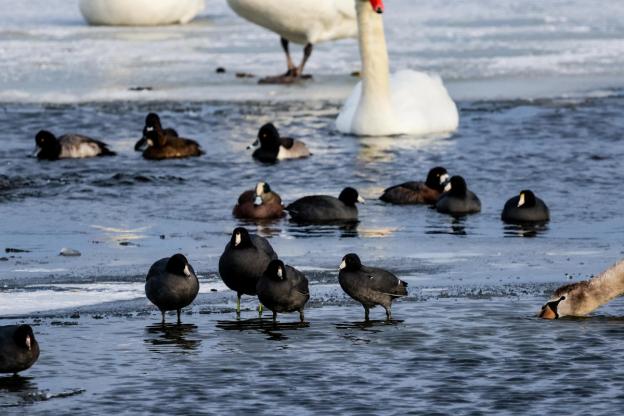
The region’s inshore waters serve as important wintering grounds for various seabirds, including waterfowl, long-tailed ducks, and gulls. Many of these birds form large flocks in the winter, and can often be found feeding along the tide line on beaches, especially after storms when washed-up fish appear. Prime areas for gull-sightings include Low Beach (Sconset), Surfside Beach, Coatue, and Madaket.
Rodents
White-footed mice, squirrels, meadow voles, and shrews are all residents of Nantucket throughout the winter months. Mice and squirrels are known to stash food so that they can remain active all winter and live off their hidden stores, while meadow voles make above and below ground runways that they keep clear (even during snow), to allow them to continue feeding on vegetation and seeds. Shrews can also be found on the island, and will literally shrink their entire body, including their internal organs, to help them consume less energy over the winter.
Animals in Hibernation
Although there are many animals that stay active during Nantucket's winter, there are a few that go into hibernation and wait until springtime to reemerge. The meadow jumping mouse is the only mammal on-island that truly hibernates (from wintertime until springtime), however there are also reptiles that brumate, which is the reptile equivalent of hibernation. Turtles, such as the spotted turtle and the painted turtle, will remain underwater or burrow in muddy areas through the winter, and snakes, like the Eastern Garter snake and the Ribbon snake, will gather underground / under soil and leaves in large numbers, where temperatures are more stable.
Respecting the Island's Locals
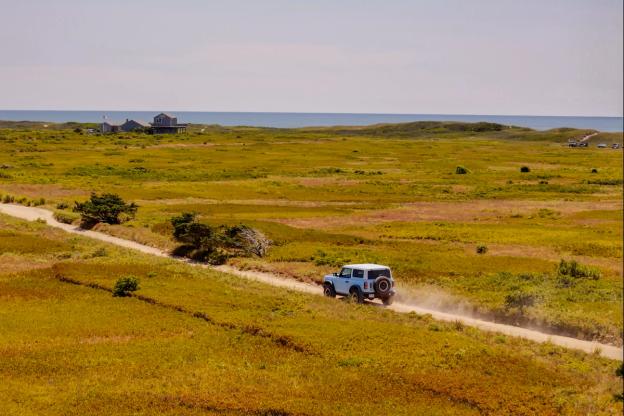
It's crucial to respect the animals that call Nantucket home in the winter. Remember to always observe from a safe distance (for marine mammals like seals, 150 feet away), keep dogs leashed, dispose of any trash carefully, and respect seasonal beach closures. Simple actions like staying on marked paths and supporting local conservation efforts can make a big difference for the animals that are working hard to survive the long winter season. Animals burn precious energy when startled, and if one changes its behavior because of you, you’re too close. And if you're in a car, remember to always stay on established tracks and never drive on dunes or vegetation, regardless of the time of year.
For Nantucket Land Bank's hunting guidelines, click here.
For Nantucket's recreational saltwater fishing regulations, click here.
For Nantucket's recreational shellfishing information, click here.
For information on Nantucket's beach vehicle access points, click here. For the beach driving map and rules, click here.